Projects.
37 design and development projects. Each one solves a specific structural problem.
TAKODEFI
[Crypto]The new visual system unifies the entire platform under a premium dark palette with subtle gradients and 48 reusable components documented in Figma. The staking flow was reduced from 7 to 3 steps, with progress indicators and visual confirmations at each stage. Dashboards now display APY, TVL, and portfolio composition in real time through interactive hover-responsive charts, which reduced support inquiries by 40%.

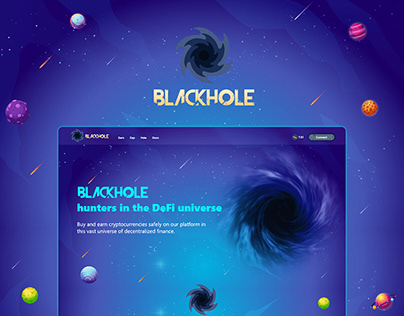
BLACKHOLE DEFI
[Crypto]The premium dark interface employs visual gravity effects where elements "orbit" around the focal point of each screen, reinforcing the black hole metaphor. The palette combines deep blue and purple tones with cyan accents that guide the eye toward primary actions. Particle animations simulate gravitational absorption during transactions, and each swap confirmation displays a visual collapse effect that reinforces the brand identity in every interaction.
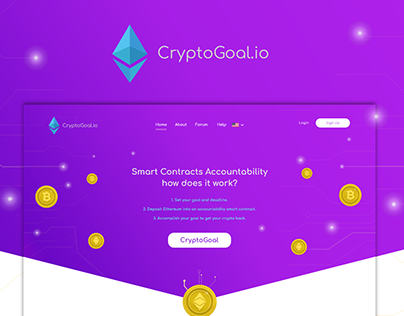
CRYPTOGOAL.IO
[Crypto]The interface prioritizes the sports narrative over crypto terminology: users see matches, teams, and odds while the blockchain layer operates transparently in the background. Prediction cards deliver immediate visual feedback with result animations that replicate the thrill of a goal. The dashboard presents real-time statistics and betting portfolio performance charts, along with a gamified onboarding that teaches crypto concepts through progressive challenges.
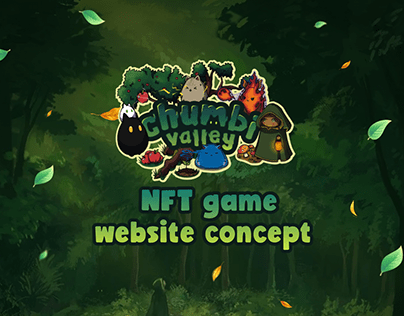
CHUMBI VALLEY
[Crypto]The interface adopts a kawaii aesthetic with vibrant colors that places the gaming experience front and center, relegating the financial layer to a secondary menu accessible only on demand. Creature cards display combat stats and rarity with playful iconography, without mentioning "NFT" at any point in the main flow. The marketplace integrates as a "village shop" within the game narrative, enabling users to buy and sell digital assets without breaking immersion or exposing the underlying blockchain complexity.
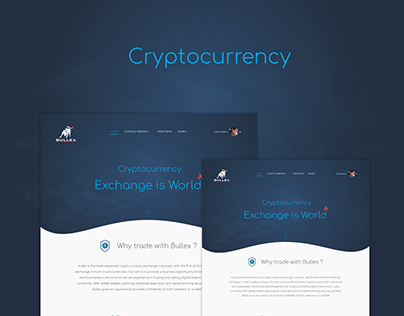
CRYPTOCURRENCY XD
[Crypto]The kit includes over 15 complete crypto dashboard screens: general overview, detailed portfolio, trading view with candlestick charts, performance analytics, wallet management, and profile settings. All components follow a modular system with shared styles, allowing sections to be swapped between screens without losing visual coherence. The resource was published as a freebie on Behance, where it accumulated over 5,000 downloads and became a recurring reference in crypto design tutorials.
THE CALLISTO PROTOCOL
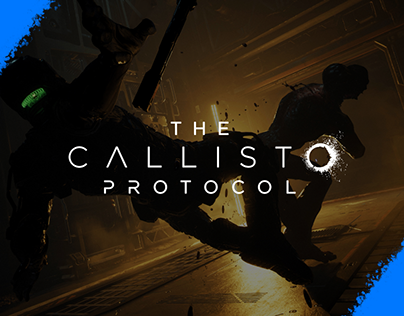
[Gaming]The diegetic HUD draws inspiration from Dead Space: health is displayed on the suit's spine and ammo is projected onto the weapon, eliminating any traditional overlay. Inventory menus replicate a corrupted terminal with subtle glitches that intensify when the character is injured, reinforcing narrative tension from the interface itself. The palette is restricted to cool monochromes with red accents reserved exclusively for danger states, ensuring that every flash of color communicates immediate urgency.
G2A DESKTOP APP
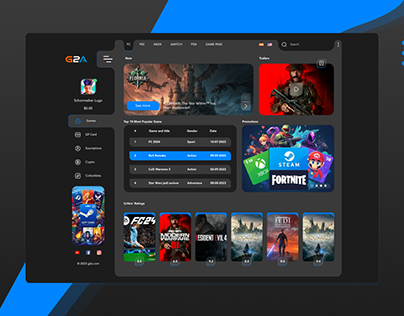
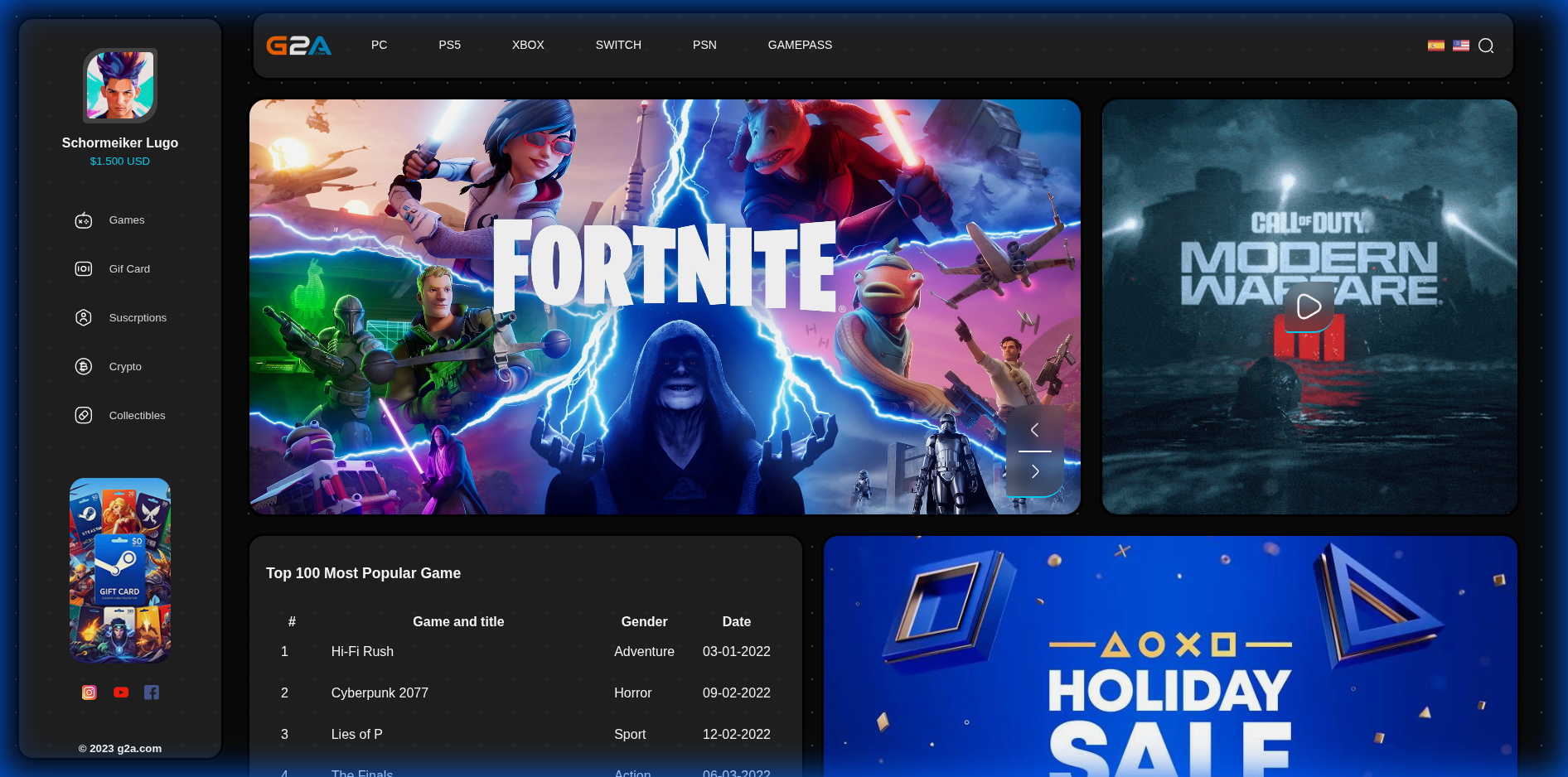
[Gaming]The redesign adopts a desktop-first approach with a persistent navigation sidebar that organizes sections into collapsible categories, reducing the clicks needed to reach any product to a maximum of 2. Game cards include hover previews with screenshots, price, discount, and rating without opening the product page. Smart search filters results in real time by platform, price range, and genre, while the premium dark theme with gaming accents maintains coherence with the visual ecosystem that players expect.
LEAGUE OF LEGENDS
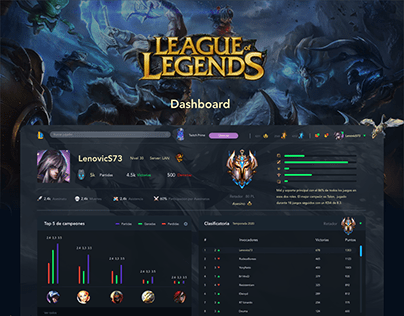
[Gaming]The dashboard integrates League of Legends' visual identity into every component: radial charts display performance by role with each position's colors and iconography, while an interactive timeline walks through recent matches highlighting key moments like first blood, dragons, and barons. The visual comparison against rank average lets players identify strengths and weaknesses at a glance. The entire design is responsive with native dark mode, optimized for extended analysis sessions between matches.
STEAM REDESIGN
[Gaming]The library adopts a dynamic grid system that groups games by category, last session, and installation status, reducing visual search time to under 3 seconds. User profiles incorporate a social activity feed with recent achievements, screenshots, and hours played, turning each profile into a personal showcase. The store features expanded previews with inline trailers and visual recommendations based on play history, all validated through a functional interactive prototype in Figma.
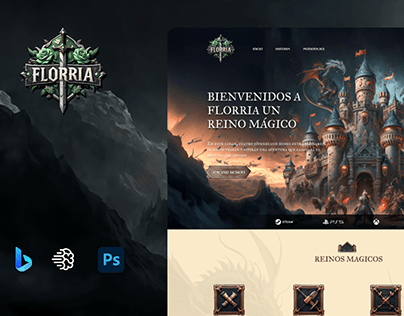
FLORRIA WEB IA
[Gaming]The immersive landing page uses smooth parallax to guide the user through the regions of Florria's world, where each thematic section presents its own chromatic atmosphere and narrative. AI assets integrate as atmospheric backgrounds with carefully designed UI overlays that unify lighting and palette through consistent gradients and color filters. Character cards reveal progressive information on hover — lore, abilities, and rarity — with animations that reinforce each creature's personality.
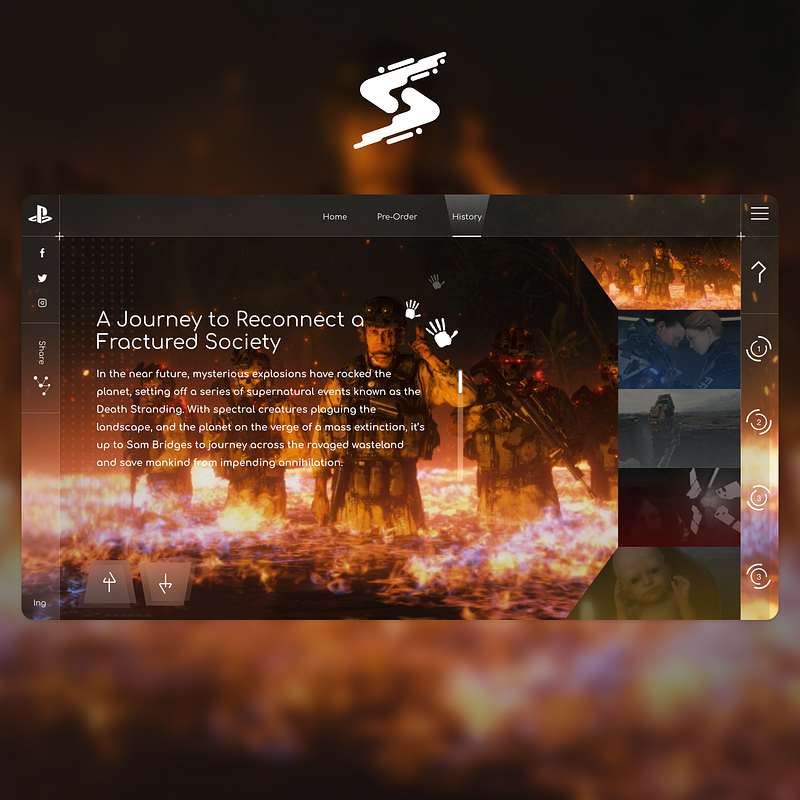
DEATH STRANDING
[Gaming]The design envelops the user in a foggy atmosphere built with layers of animated mist and minimalist typography that emerges from the background like signals in an empty landscape. Subtle glitch effects on section transitions evoke the game's temporal anomalies, reinforcing tension without being intrusive. Sections reveal information progressively — just like the gameplay — through scroll-triggered animations that meter out lore, characters, and mechanics under a desaturated palette with golden accents that anchor the gaze.
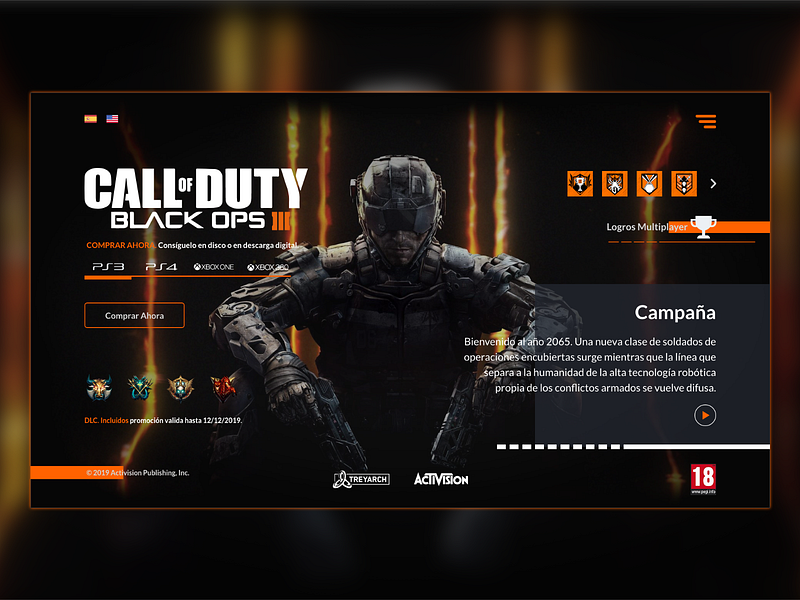
CALL OF DUTY
[Gaming]The design incorporates functional military HUD elements — tactical corners, decorative coordinates, and animated telemetry data — that frame each section like a combat visor. Character sections employ depth parallax with fast, aggressive transitions that replicate the frenetic pace of the gameplay. Condensed bold typography ensures readability over the dark theme, while orange accents — Black Ops 3's signature color — guide the visual hierarchy and highlight CTAs and interactive elements across every screen.
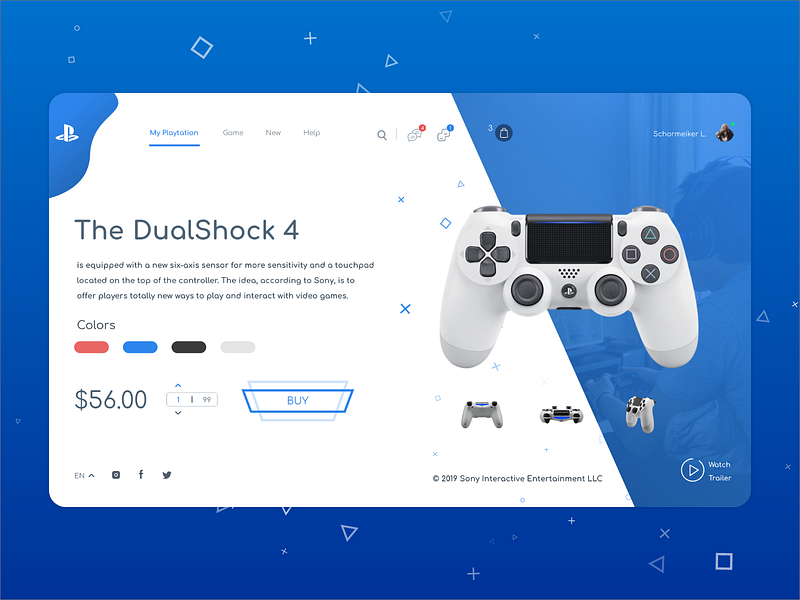
PLAYSTATION ECOMMERCE
[Gaming]The store features immersive product shots on dark backgrounds with dramatic lighting that highlights every curve and texture of the hardware, turning the product page into a visual experience comparable to an Apple launch. The visual configurator lets users customize DualSense colors in real time, rotating the 3D model to view each combination from every angle. The checkout is simplified to 2 steps with fluid transition animations that maintain the premium feel through to purchase confirmation.
SCORE GOLF APP
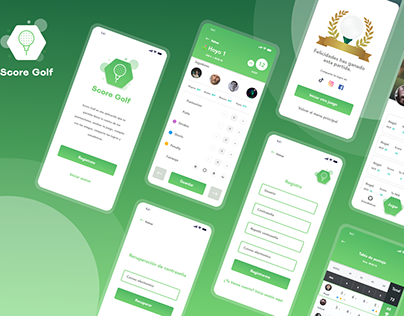
[App]The minimalist interface employs a green and white palette that evokes the golf course, with enough contrast for readability under direct sunlight. Score input works with a single tap through an oversized numeric selector positioned in the thumb's reach zone. The course map displays hole-by-hole progression with color indicators (par, birdie, bogey) that provide immediate visual feedback. Post-round statistics present per-hole performance charts, historical averages, and cross-round comparisons.
REAL MADRID APP
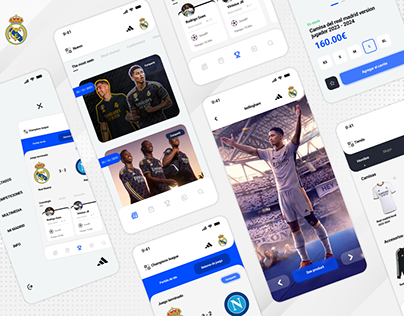
[App]The premium design adopts the white and gold tones of the club's identity, with serif typography for titles that evokes Real Madrid's institutional tradition. The news feed presents visual cards with high-quality editorial photography, while player profiles display interactive statistics with radial performance charts by competition. The calendar includes a countdown to the next match and direct access to live mode, which transforms the interface into a tracking dashboard with scoreboard, lineup, and minute-by-minute events.
HOTEL SYSTEM
[App]The solution proposes a dual design: a clean and modern guest interface for reservations, room service requests, and express check-out, paired with a staff interface optimized for speed through keyboard shortcuts and condensed occupancy views. The push notification system connects both profiles in real time, reducing response times to requests. Additionally, the management dashboard consolidates occupancy, satisfaction, and per-room revenue metrics in a single view.
GEOMAP UI/UX
[App]The interface occupies the full screen with the map and overlays minimal floating controls that disappear during active navigation. A smart cluster system groups markers by zoom level, revealing individual elements only when the user zooms in. The sliding side panel displays details of the selected point with photographs, hours, and reviews without leaving the map view. An augmented reality mode is also integrated for pedestrian navigation in dense areas.
AITHR
[Web]The design relies on structured minimalism with ample whitespace, modern geometric typography, and abstract data flow visualizations instead of illustrated robots. Each section presents a specific use case with real implementation metrics and verifiable client testimonials. CTAs lead to a visible onboarding flow that lets visitors try the platform in fewer than 3 clicks. A neutral palette with strategic color accents reinforces the perception of corporate reliability.

HACTIO GYM
[Web]The design uses authentic photography of real gym members instead of stock images. Program sections present progressive levels with clear descriptions of what to expect at each stage. The hero section plays a short video of the community training, generating immediate identification. Transparent pricing and an integrated booking system remove the conversion barriers that are common in the industry.

LIMBIC
[Web]The asymmetric layout maintains visual creativity without sacrificing navigability, with clear anchor points in every section. The portfolio includes filters by industry and project type, accompanied by case studies with impact metrics. Subtle animations demonstrate technical capability without slowing load times or distracting from the content. Each page guides the visitor toward a contact CTA contextualized to the type of project they explored.

GEAR HEAD WORKS
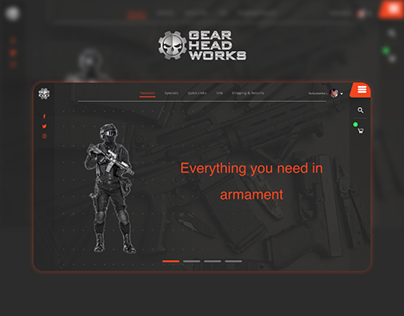
[Web]The e-commerce uses a dark theme with high-quality product photography on textured backgrounds that evoke terrain and metal. The filter system allows searching by category, material, and usage context, reducing catalog exploration time. Product pages include high-resolution zoom, multi-angle views, and detailed technical specifications with model comparisons. A restrained color palette and condensed typography reinforce the tactical identity without compromising readability.
GUARDIAN REDESIGN
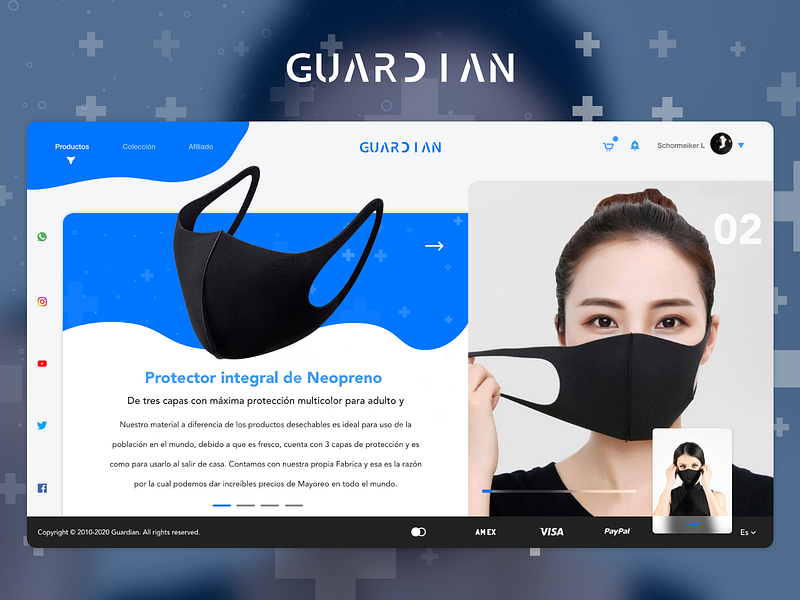
[Web]The redesign incorporates a dedicated COVID-19 section with real-time data visualization segmented by region and alert level. News cards include verification indicators with source badges and last-updated timestamps. Typography was enlarged by 15% compared to the original design to support extended reading sessions. Additionally, a simplified reading mode strips away decorative elements and reduces the interface to essential content.
G&G CAPITAL GROUP
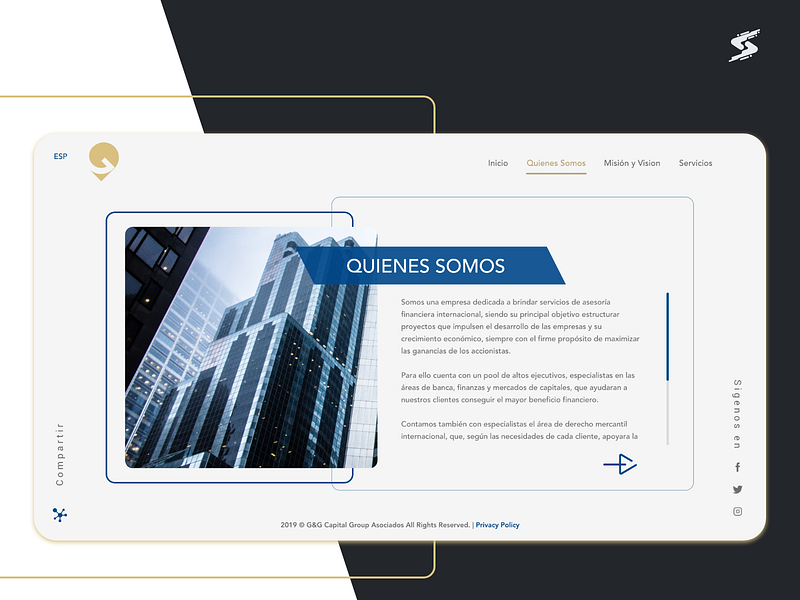
[Web]The corporate design employs a sophisticated dark palette with gold accents that convey exclusivity without ostentation. The hero section displays real-time fund performance data, demonstrating transparency from the first contact. Team sections feature professional photography with concise biographies and verifiable track records. Interactive portfolio charts allow visitors to explore the investment composition by sector and historical performance.
SALTO ÁNGEL
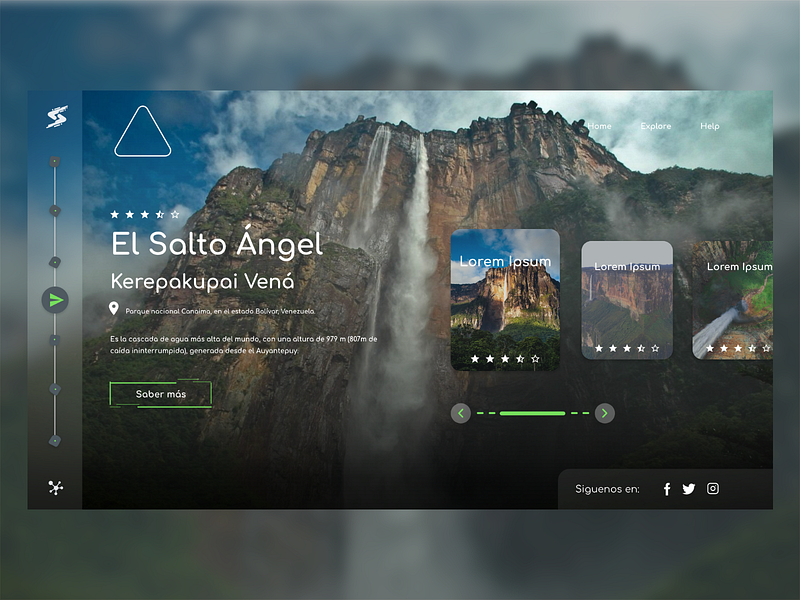
[Web]The landing page opens with high-resolution aerial photography that fills the entire viewport, creating an immediate visual impact. Informative sections cover the Pemon history of Kerepakupai Vena, geographical data, and access routes from various points across the country. A parallax effect simulates the water descent as the user scrolls, reinforcing the sense of scale. Integration with interactive maps of the Gran Sabana allows visitors to explore the surrounding territory and tepuis.
STREAMING UI
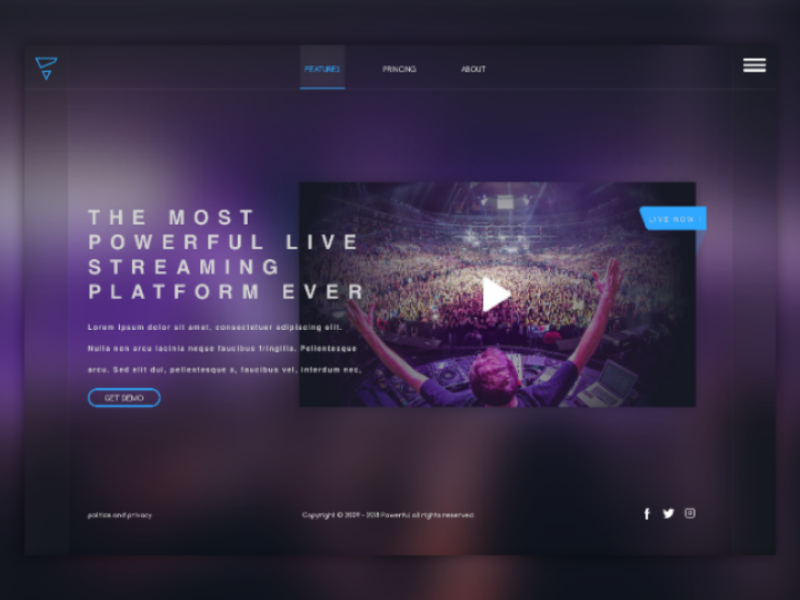
[Web]The design features a rotating hero with autoplay trailers of featured content, generating immediate interest without requiring exploratory clicks. Thematic carousels show expanded previews on hover with synopsis, duration, and rating. The personalized list system lets users organize content by viewing status and preference. The integrated player offers minimal controls and a theater mode that eliminates all peripheral distractions.
SPARTY PROFILE
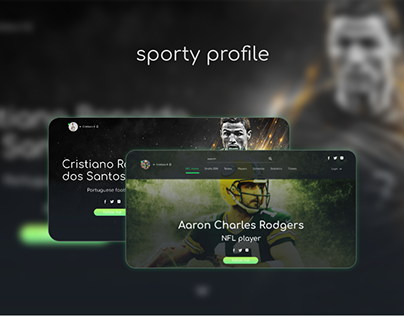
[Web]Hero sections feature action sports photography with dynamic compositions that capture the athlete's competitive intensity. Statistics are visualized with animated radial charts that allow comparison by season and category. An interactive timeline traces career milestones with images and verifiable achievements. Social media integration displays real-time media reach, while the sponsors section showcases associated brands with direct links.
DASHBOARD SACSCLOUD
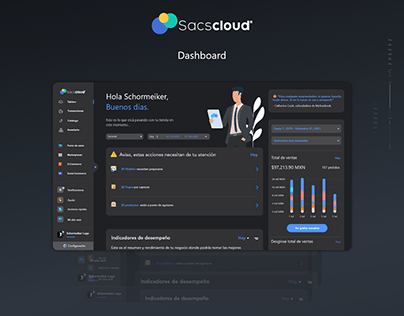
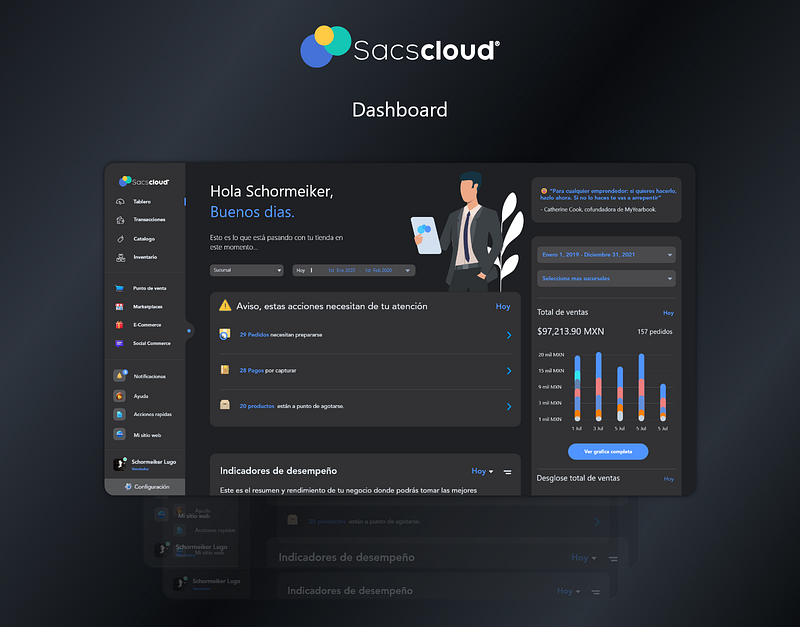
[Dashboard]The modular dashboard allows each role to configure its visible widgets and their grid arrangement. The alert system color-codes the priority of each notification, reducing reaction time to critical incidents. Interactive charts support three-level drill-down to explore data from the general overview to granular detail. Dark mode, designed for extended work sessions, reduces visual fatigue and energy consumption on OLED screens.
SISTEMA DE COBRANZAS
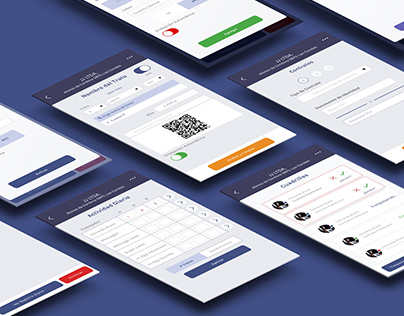
[Dashboard]The interface organizes accounts in a visual pipeline similar to a CRM, with columns by management status (pending, in negotiation, payment commitment, recovered). Client cards consolidate the complete history of payments, communications, and promises in a single view. The managerial dashboard displays recovery metrics broken down by agent, portfolio age, and agreement compliance rate. Advanced filters allow segmentation by amount, days overdue, and assigned priority.
DASHBOARD POS
[Dashboard]The dashboard unifies two operation modes: cashier mode presents a simplified interface with large buttons and a 3-step checkout flow, while admin mode offers complete inventory management, reports, and analytics. Predictive product search locates any catalog item with 2 or 3 characters. Keyboard shortcuts cover the 10 most frequent operations, and the system updates inventory in real time with each registered sale.
SYLVARAN RPG
[Gaming]Modular architecture with Phaser where each system (combat, inventory, dialogues, progression) operates independently. Navigable maps with multiple layers and reactive environmental animations. Elemental sanctuary system as progression axis. Enemy AI based on state machines with range detection and patrolling. Integrated ambient sound design and cinematic narrative transitions. Code structure that supports expansion without disrupting existing architecture.

SNAKE CLASSIC
[Gaming]Modular architecture in JavaScript ES6+ organized into modules: core (state and logic), ui (interface), features (auth, chat, ranking, settings), sound (Web Audio API), and lib (Supabase). HTML5 Canvas for 2D pixel graphics with smooth interpolation via requestAnimationFrame. Multiplayer with Supabase Realtime for state synchronization. Best score persistence with localStorage. Power-up system with distinct shapes and colors. PWA optimized for Android with enlarged touch controls.

RIFA ONLINE
[Web]Fullstack platform with client interface for raffle browsing, number selection, and payment uploading, separated from an admin panel for raffle creation, reservation moderation, and analytics. API layer with Supabase for authentication and data operations with Row Level Security. Edge Functions as microservices for raffle management and email notifications. Admin authentication token system. Multimedia upload loaders. Verifiable random drawing with public result logging.

G2A REDESIGN
[Web]The implementation progressed section by section: header with responsive navigation and hamburger menu, hero section with a promotional image carousel, product grid with hover effects that reveal price and discount, and footer with links organized by category. All CSS was written without preprocessors or frameworks, using custom properties to maintain color consistency. Media queries cover three main breakpoints, ensuring functionality from 320px to desktop screens.
KEPLER
[AI]KEPLER bridges the gap between human perception and field intelligence through a platform that runs YOLOv11 models directly on the explorer's device, capable of identifying and classifying minerals in milliseconds without relying on internet connectivity. Its Cortex AI module, powered by Mistral 7B running locally, goes beyond detection: it analyzes each finding in context with the complete exploration history, enabling the user to query relationships between samples from different missions through natural language. Every discovery is automatically geolocalized on tactical 3D maps that combine GPS coordinates, satellite imagery, and AI-generated terrain descriptions, revealing distribution patterns that the human eye cannot detect on its own. The entire ecosystem operates in two complementary modes — the Desktop Control Center for mission planning and the Mobile Field Unit with augmented reality for terrain execution — with real-time synchronization when connectivity exists and full offline operation when it does not, ensuring no finding is ever lost regardless of environmental conditions.

AQOMI STUDIO
[Web]The solution was a fully vanilla SPA architecture that eliminates framework dependencies. The custom router handles navigation with onPageActivate and registerCleanup methods to manage each view's lifecycle. HTML partials are dynamically injected based on the route, enabling separation of concerns without sacrificing performance. Mesh gradient backgrounds are rendered via WebGL to create a premium visual atmosphere. The interactive cursor with contextual visibility logic reinforces the immersive experience. Vite compiles the final bundle with Gzip and Brotli compression, resulting in load times under 1 second.

EXOTERRA
[Web]ExoTerra solves astronomical visualization through WebGL rendering with Three.js, where each exoplanet is procedurally generated using GLSL shaders that simulate realistic surfaces based on its classified type. The dynamic catalog allows filtering planets by habitability, with detailed thermal data including equilibrium temperature, stellar luminosity, and metallicity. Python scripts extract and normalize CSV data from the Kepler and TESS missions, while PostgreSQL triggers in Supabase automatically calculate habitability scores at insertion time. Security is ensured through Row Level Security, and all intensive computation runs on the database side to maintain fluid 3D rendering on the client.

METEGRITY
[Web]Metegrity was built with Astro v6 to generate static HTML with zero client-side JavaScript on informational pages. Styles were implemented in native CSS3 using centralized variables in global.css, with layouts built exclusively with Grid and Flexbox. Scroll interactions are handled with IntersectionObserver in vanilla JavaScript, while industrial diagrams are animated through CSS keyframe sequences applied to SVG elements. The page architecture covers products, services, industries, insights (blogs, ebooks, case studies), legal sections, and a demo booking flow. Each Astro component uses scoped styles that coexist with global variables, ensuring visual consistency without specificity conflicts.
